US strikes three vessels in Eastern Pacific, killing eight
The United States Southern Command (SOUTHCOM) announced that it launched deadly strikes on three vessels allegedly involved in drug trafficking in international waters in the Eastern Pacific, resulting in the deaths of eight people.
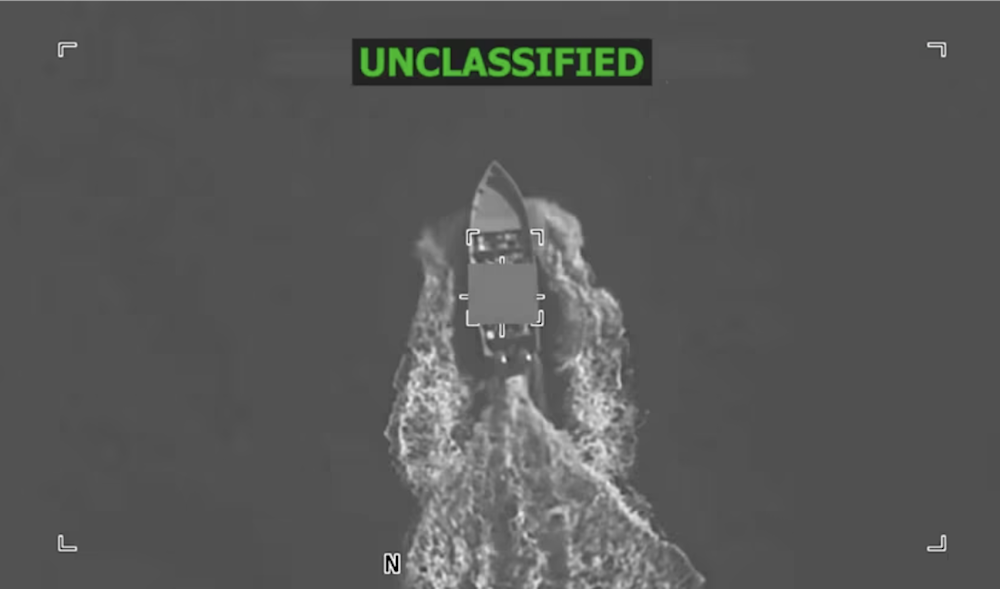
The strikes were carried out on December 15, under the orders of US Secretary of War Pete Hegseth, according to an official statement posted on X.
"Joint Task Force Southern Spear conducted lethal kinetic strikes on three vesselsoperated by Designated Terrorist Organizations in international waters," SOUTHCOM said.
The military reported that all individuals killed were adult males: three aboard the first vessel, two on the second, and three on the third.
While the US claims the targeted vessels were engaged in narco-trafficking, no verification of the alleged links to terrorism or drug networks has been provided for any of the 26 boats it struck. Critics, lawmakers, and legal experts have denounced the strikes as illegal under international law.
Part of a broader Trump-led coercion campaign
The latest strikes come amid a wider US military campaign launched by US President Donald Trump targeting so-called drug smuggling routes in the Pacific Ocean and Caribbean Sea, including areas near Venezuela.
According to US officials, American forces have struck more than 20 vessels as part of the campaign, with at least 90 suspected drug smugglers reported killed so far. The operations represent a significant escalation and a marked departure from previous US approaches, which traditionally relied on interdictions, arrests, and prosecutions rather than direct military force.
Although the strategy has been widely criticized for its effectiveness in addressing the opioid epidemic in the United States, particularly given that Venezuela is not a source or transit hub for drug trafficking routes to the US, Trump and senior administration officials have continued to level baseless accusations against Caracas. Additionally, Washington has transferred an expansive force to the Caribbean, including its most advanced aircraft carrier, the USS Gerald R. Ford.
Legal controversy and international concerns
“Our operations in the Southcom region are lawful under both U.S. and international law, with all actions in compliance with the Law of Armed Conflict,” Pentagon Press Secretary Kingsley Wilson told reporters earlier this month.
Critics, however, have questioned the application of the Law of Armed Conflict outside a declared armed conflict, particularly in international waters and against individuals not formally designated as combatants. Under the United Nations Charter, the use of force by one state against another, including against that state’s vessels on the high seas, is generally prohibited unless the target has conducted an armed attack or the action is authorized by the UN Security Council or undertaken in legitimate self-defense.
Legal analysts have pointed out that there is no credible evidence presented to suggest that the vessels struck were engaged in an armed attack against the United States, meaning the strikes lack a clear legal basis under international law.
Another major issue arose from a controversial September strike in the Caribbean, in which US forces hit a suspected drug-smuggling vessel. After the initial attack, which killed the majority of those aboard, surveillance reportedly showed two survivors in the water.
According to multiple accounts, the operation’s commander authorized a second strike on those survivors, based on a directive that those on board should be left with no survivors. Legal experts and lawmakers have warned that targeting individuals who are no longer actively resisting or posing an imminent threat, "hors de combat" under international humanitarian law, is a war crime and violates both the Geneva Conventions and customary law prohibitions on denying quarter.
Read more: 'Would've done call myself': Hegseth hails lethal strike on survivors