IEA chief warns global oil reserves have 'weeks' of supply left
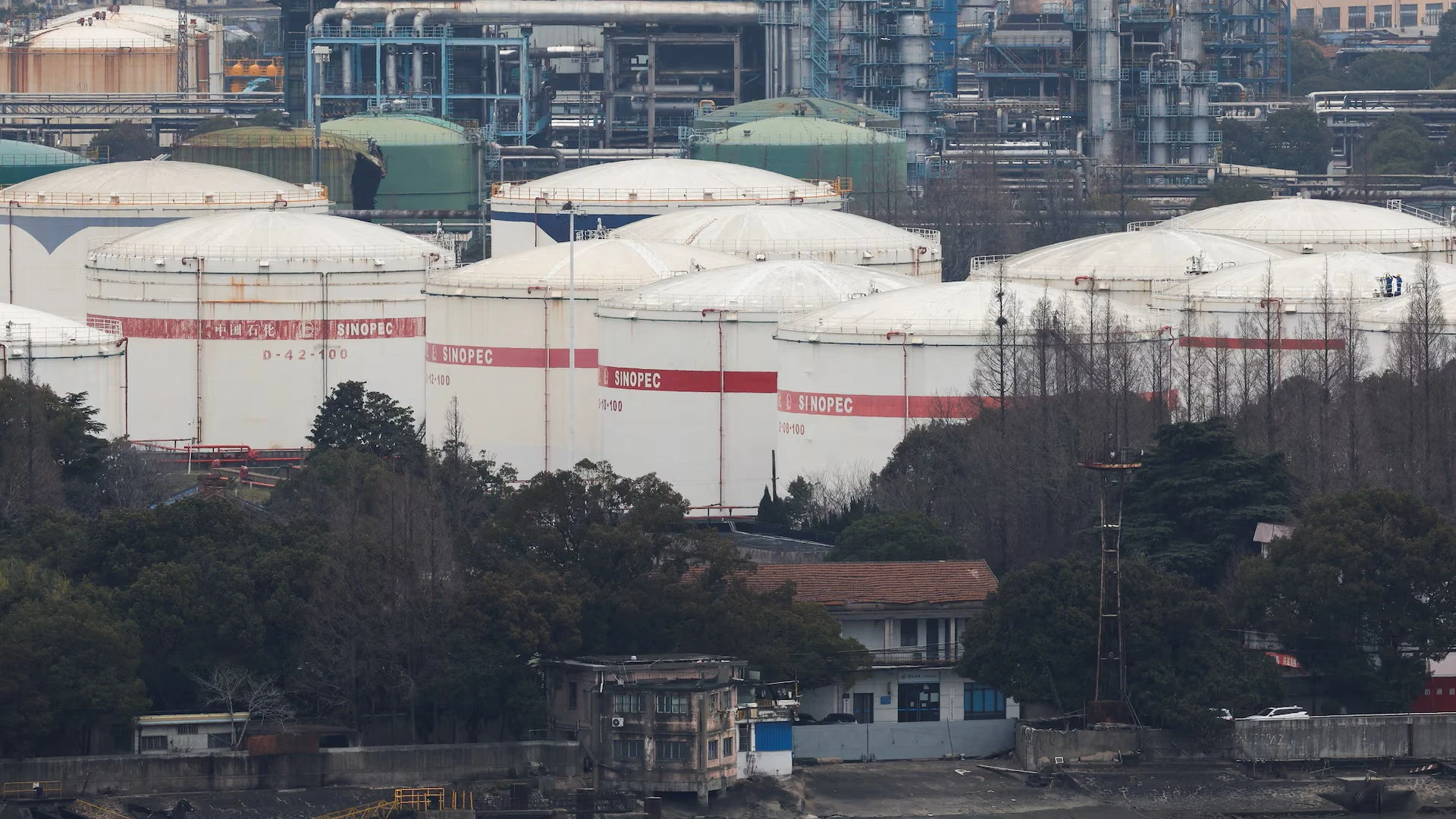
The closure of the Strait of Hormuz is creating shortages of diesel, fertilizer, jet fuel, and gasoline amid the spring planting and summer travel season in the northern hemisphere
News Desk
The head of the International Energy Agency (IEA) warned on 18 May that commercial oil inventories have only a few weeks of supply left, as they rapidly deplete due to the US-Israeli war on Iran and continued closure of the Strait of Hormuz.
Fatih Birol stated on Monday that the release of strategic oil reserves had added 2.5 million barrels per day (bpd) to the market but that these reserves “are not endless.”
Commercial inventories would last “several weeks, but we should be aware of the fact that it is declining rapidly,” he added.
The Strait of Hormuz, through which 20 percent of the world's oil exports typically passes, has been closed since the beginning of the war on 28 February, causing crude prices to skyrocket.
On 11 March, The IEA announced its 32 member countries agreed to make 400 million barrels of oil from their emergency reserves available to the market to address the disruptions resulting from the war. By early May, 164 million barrels had been released.
Birol made the comments during a press conference at the Group of Seven (G7) finance leaders' meeting in Paris.
He added that oil inventories are under additional pressure as demand for diesel, fertilizer, jet fuel, and gasoline increases with the onset of the spring planting and summer travel seasons in the northern hemisphere.
Global oil inventories dropped by a record 246 million barrels in April and March, according to the IEA's latest monthly oil market report.
Meanwhile, natural gas prices in the US and Europe started the trading week higher, as traders see little sign of an end to the Hormuz crisis.
“We have highlighted several times that the gas market is underpricing the scale of the supply impact from the Persian Gulf,” analysts at Dutch multinational banking and financial services firm ING told the Wall Street Journal (WSJ) on Monday.
“Asian buyers will need to enter the spot market to replace disrupted contracted cargoes from the Persian Gulf, increasing competition between Asian and European buyers,” the analysts added.
Gas storage across the EU is at 36 percent of capacity, far below the five-year average of 50 percent, WSJ noted.
The oil and gas shortages have increased demand for coal, including in countries previously committed to phasing it out, as buyers scramble for fuel from any source possible.
Global coal imports are on track to reach their third-highest monthly level on record, Financial Times (FT) reported on Monday, citing estimates by analytics platform Kpler.
Last month, coal shipments to South Korea, Japan, and the EU surged by 27 percent from the previous year, according to data from BIMCO.
“Energy security concerns are shifting policy responses, accelerating coal usage across key Asian and European markets, and delaying coal plant retirements,” according to analysts at Wood Mackenzie.
Meanwhile, energy shortages have prompted Indian Prime Minister Narendra Modi to urge his citizens to conserve fuel by working from home, carpooling, and cutting back on foreign travel. He also requested Indians halt purchases of gold and imported goods to conserve foreign currency reserves depleted by oil purchases from abroad at high prices.
In two public speeches last week, Modi urged Indians to embrace what he called “nationally responsible” lifestyle choices resembling those imposed by health authorities during the Covid lockdowns in 2020.
India imports more than 80 percent of its crude oil, leaving its economy exposed to global energy price shocks. Shortages of liquefied petroleum gas have hit India's poor hard, forcing them to resort to firewood for cooking.
“We must curb our use of petrol and diesel,” Modi stated. “Whenever India faced war or any major crisis, citizens fulfilled their responsibility on the government's appeal. We need to do the same now.”