Bereavement, exhaustion and trauma: How Israel’s genocide is taking a toll on Gaza’s doctors
Those accustomed to confronting death and saving the wounded have sometimes found themselves facing it as bereaved family members rather than medical professionals.
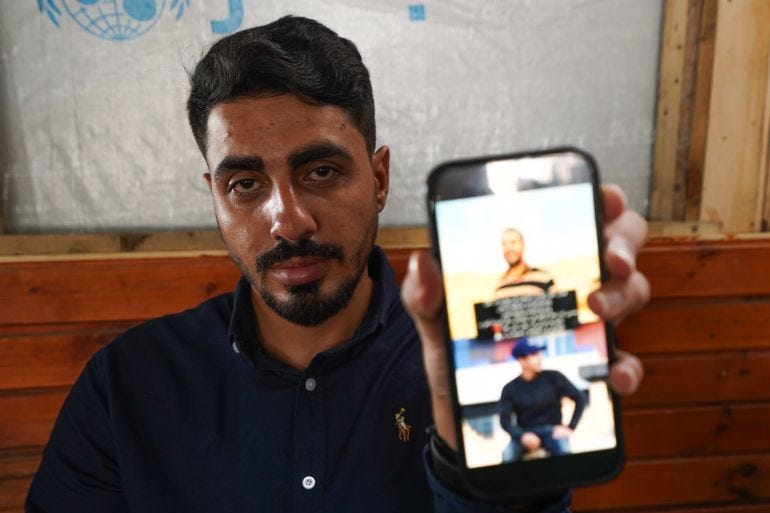
Over the past three years of the ongoing Israeli genocide in the Gaza Strip, doctors in the enclave have been among the most overworked, exhausted, and relentlessly targeted medical professionals in the world. They have worked under unimaginable conditions, lost colleagues to martyrdom or abduction, faced dwindling supplies and overwhelmed hospitals, and endured the constant threat of Israeli attacks, yet continued to save lives amid the devastation.
The Israelis have attacked all 38 of Gaza’s hospitals multiple times. Nearly half of them are out of service, while those still in operation are functioning at drastically reduced capacity amid a severe resource crunch exacerbated by the ongoing Israeli siege of the enclave.
Furthermore, the Israelis have killed more than 1,700 healthcare professionals since the strat of their genocide in the Gaza Strip. They have also abducted more than 350 healthcare workers, around 83 of whom remain in Israeli rape and torture dungeons, where they are subjected to nonstop horrific abuse. Among those still detained are more than a dozen senior doctors, including Dr. Hussam Abu Safiya, Dr. Marwan al-Hams, and Dr. Hassan Almukayed.
A 2025 study said that the “hallmark of the violence has been unprecedented attacks on health workers” since October 7, 2023.
It found that 41 percent of Gaza’s medical professionals reported that a family member had been killed and 78 percent reported that a close colleague had been killed by the Israelis during the genocide. Nearly half (46 percent) of the respondents reported both a personal loss and workplace displacement.
Dealing with personal losses
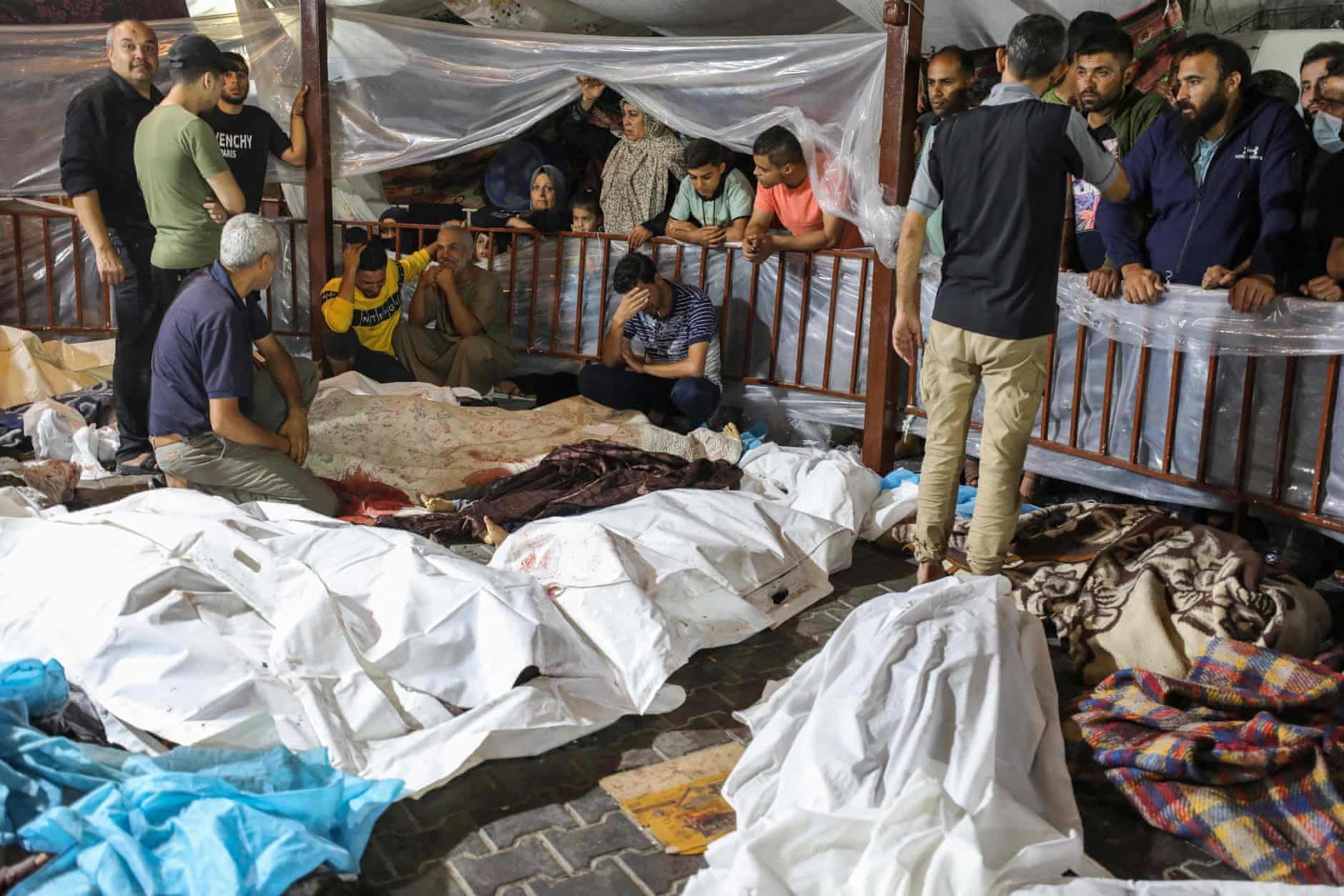
Many of Gaza’s medical professionals have had to deal with personal losses while on the job, and it has taken a huge psychological toll on them.
Manar Fayyad, 29, an anaesthesiologist at Al-Aqsa Martyrs Hospital, had the misfortune of discovering that a man lying in front of him in the operating room was his own brother, Shadi, who had been killed by the Israelis in an air strike on December 27, 2023.
“He died before I could reach him,” Manar told Al Jazeera. “When I arrived in the operating room, I recognised the man’s clothes. I had a strange feeling, so I approached him and uncovered his face. To my shock, he was my brother Shadi, who was 34.”
Since then, the hospital has become inseparable from the traumatic memory, and he has been unable to continue to work, ultimately bringing his professional career to a premature end.
He continues to struggle with the psychological effects of the experience, trying to cope with it on his own without professional help. He has withdrawn from social life and avoids people and noise as he searches for peace since his brother died.
Sitting by the sea and writing offers him some solace, helping him express his pain and process what has happened. Yet he remains preoccupied with the idea of leaving Gaza, hoping that distance might free him from the reminders of that day.
Having lost his brother, his profession and much of his social life, Fayyad now faces a different battle: one against trauma that he is trying to confront alone.
Losing entire family
Just days into the start of the genocide, Khaled Raafat, 29, a nurse in the emergency department at Al-Aqsa Martyrs Hospital, lost his wife, children, mother, and several siblings in an Israeli air strike on his family home on October 18, 2023.
He was at the hospital at the time, trying to save the lives of others injured that day. To cope with the loss, Khaled stepped away from work for an extended period.
“Learning that I had lost my family marked a painful turning point in my life,” Khaled told Al Jazeera. “I could no longer do my job in the same way. The hospital, once associated in my mind with my humanitarian duty, became a reminder of personal pain that was beyond what I could bear. It deeply affected my ability to continue my professional and social life.”
Khaled eventually decided to rebuild his life.
“I realised that life could not stop at the tragedy and that I had to find a way to carry on. I decided to work towards my psychological recovery, got married and started a new family in an attempt to regain stability and hope,” he said. “I then returned to work at the hospital.”
No access to psychological care
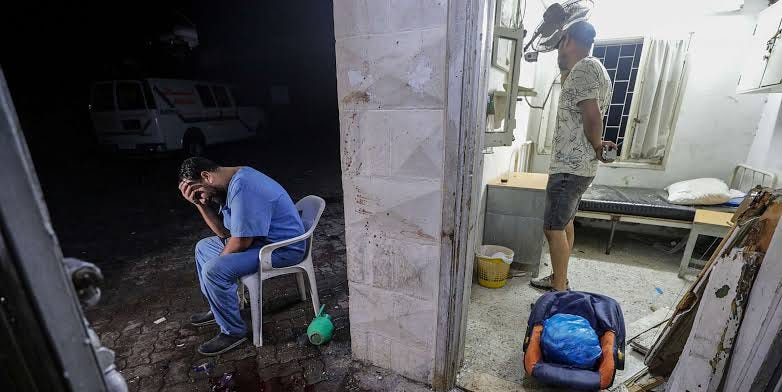
At least 78 percent of healthcare workers in Gaza lacked access to mental health services, showing the gap between the trauma healthcare workers endure and their access to psychological care. It has meant that Gaza’s health system is struggling to retain its remaining staff and prevent them from leaving the medical field.
Although it is difficult to assess how many doctors, nurses and other medical workers have left Gaza and their jobs, official reports have acknowledged a “loss of human resources” and “diminished capacity in the healthcare system”.
“They are caught between their professional duty to save lives and the pain of losing the people closest to them,” Dr. Munir al-Bursh, the director-general of Gaza’s Ministry of Health, told Al Jazeera. “They find themselves treating others’ wounds while struggling to heal their own.”
Dr. al-Bursh has endured losses of his own, too. Two of his children have been killed by the Israelis during the ongoing genocide. His son Baseer was killed in a targeted strike outside their tent in September.
Working under constant pressure without adequate support or rest deepens exhaustion and threatens healthcare workers’ ability to continue, he said.
“Protecting medical personnel is not just about securing medicines and equipment. It also means safeguarding their mental health and giving them time to rest and recover. Those who save others also need someone to reach out and help them.”
The acute shortage of medical staff after the killings, detentions and injuries of many healthcare workers makes it difficult to give those who remain enough time to recover, he added. This is compounded by the continuing arrival of patients and wounded people, shortages of equipment and a lack of replacement staff.
Losing a brother
The experiences of these doctors and nurses reveal the psychological toll of war on Gaza’s healthcare system. Those accustomed to confronting death and saving the wounded have sometimes found themselves facing it as bereaved family members rather than medical professionals. Caught between their duty to save others and their own grief, some have paid a profound psychological price with consequences for both their professional and personal lives.
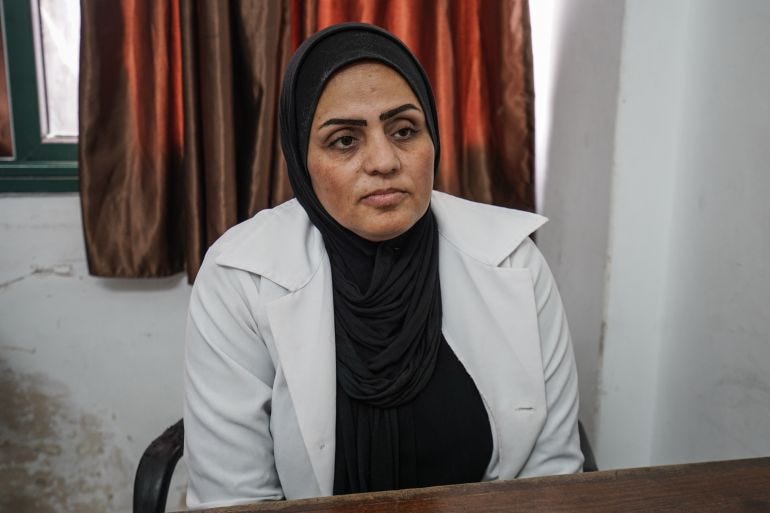
Nurse Hiba al-Tawil, 39, witnessed her brother’s death in the intensive care unit at the Nasser Medical Complex in Khan Yunis, where she worked.
“Losing my brother at my workplace was a difficult experience that had a profound psychological impact on me,” she told Al Jazeera. “Being in the intensive care unit afterwards reminded me of what had happened and made it harder to cope with the loss.”
To cope with the loss and help her deal with it, Hiba later transferred to another department. It helped ease the psychological pressure she was experiencing and allowed her to distance herself from the place where her brother died.
In the fourth year of the genocide, Gaza’s healthcare professionals continue to carry out their duties while coping with unimaginable personal losses, with little support from their colleagues around the world.